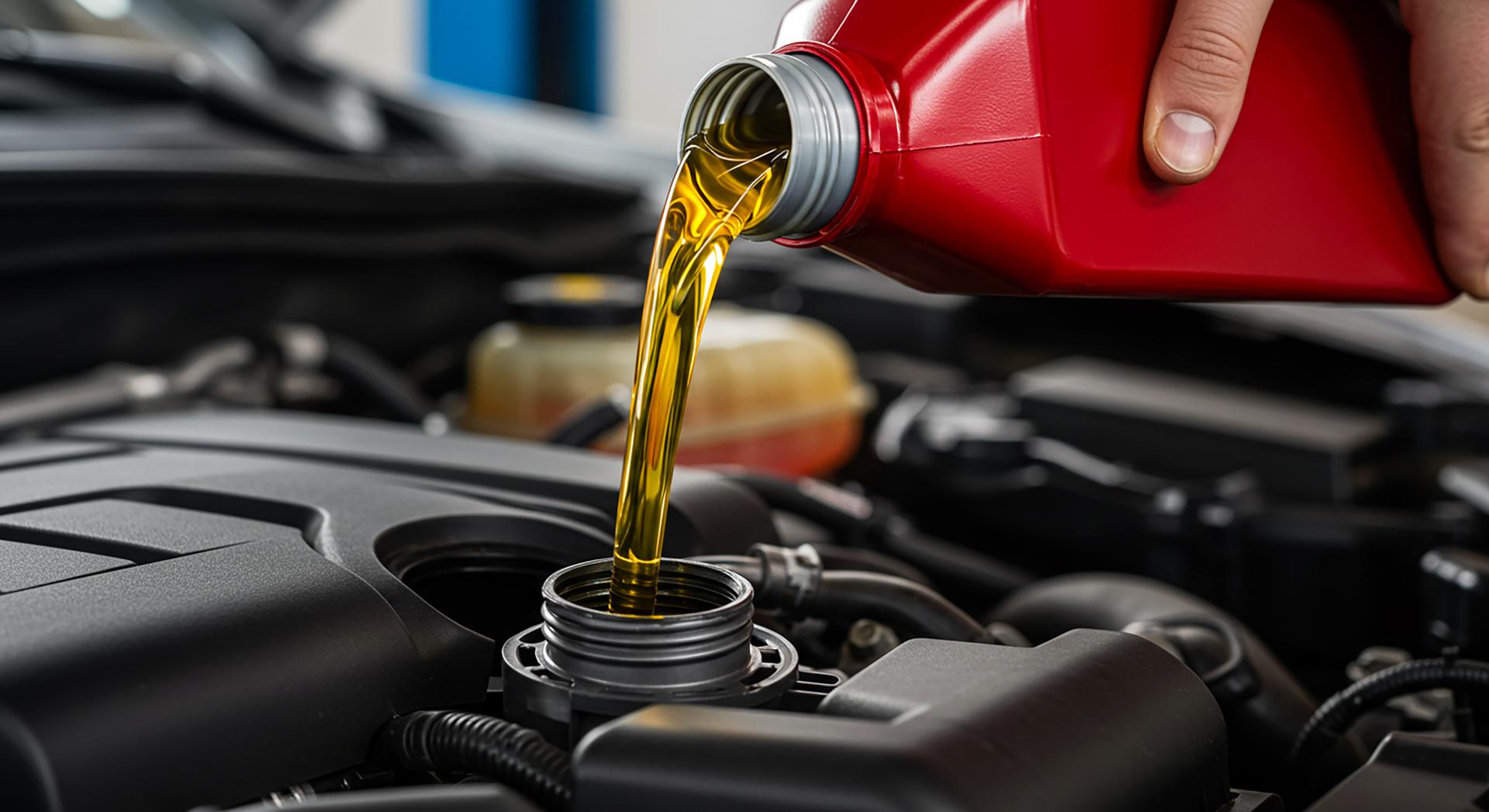
Automotive engine oil plays a vital role in maintaining engine performance, reducing friction, and extending engine service life. Whether used in passenger cars, commercial vehicles, diesel trucks, or fleet equipment, choosing the right engine oil is essential for reliable operation and long-term engine protection.
For lubricant distributors, wholesalers, and automotive businesses, understanding engine oil classifications, viscosity grades, and performance characteristics is equally important when selecting products for different markets.
In this guide, we explore the main types of automotive engine oil, how viscosity grades work, and what buyers should consider when sourcing quality engine lubricants.
1. What Is Automotive Engine Oil?
Automotive engine oil is a specially formulated lubricant designed to protect internal engine components during operation.
As an engine runs, its moving parts generate friction and heat. Without proper lubrication, metal surfaces can experience excessive wear, overheating, and harmful deposits.
Engine oil helps by performing several important functions:
- Reducing friction and wear: Creates a lubricating film between moving engine components.
- Controlling engine temperature: Helps transfer heat away from critical engine parts.
- Cleaning internal components: Detergent and dispersant additives help control sludge and deposits.
- Preventing corrosion: Helps protect metal surfaces against oxidation and corrosion.
- Maintaining engine cleanliness: Suspends contaminants so they can be removed through the filtration system and oil changes.
Selecting the correct engine oil helps maintain reliable engine operation under different driving and working conditions.
2. Main Types of Automotive Engine Oil
Automotive engine oils are available in different formulations to meet the requirements of various engines and operating environments.
Mineral Engine Oil
Mineral engine oil is produced from refined petroleum base oils and combined with performance additives.
It is commonly used in applications where conventional engine oil is recommended. It can offer a practical lubrication solution for vehicles and equipment with suitable specifications.
Synthetic Engine Oil
Synthetic engine oil uses synthetic base stocks to achieve specific performance characteristics.
Depending on its formulation, it can provide improved low-temperature flow, oxidation resistance, and viscosity stability. It is commonly selected for modern engines requiring particular performance specifications.
Semi-Synthetic Engine Oil
Semi-synthetic engine oil combines mineral and synthetic base oils.
It offers a balance of performance and cost, making it an option for various automotive applications when the required engine specifications are met.
The most suitable type depends on the engine design, manufacturer’s recommendations, operating environment, and required oil performance level.
3. Understanding SAE Engine Oil Viscosity Grades
Viscosity is one of the most important factors when selecting automotive engine oil.
The Society of Automotive Engineers (SAE) establishes viscosity classifications that help identify how engine oil flows under different temperature conditions.
Common multigrade engine oil specifications include:
- SAE 5W-30: Designed to meet specified low-temperature and operating-temperature viscosity requirements.
- SAE 10W-30: A multigrade option used in engines requiring this viscosity classification.
- SAE 10W-40: Provides a different operating-temperature viscosity range from SAE 10W-30.
- SAE 15W-40: Commonly specified for various gasoline and diesel engine applications.
- SAE 20W-50: A higher operating-temperature viscosity grade used in engines specifically requiring it.
What do the numbers mean?
The number before the letter W indicates the oil’s low-temperature viscosity classification. The number after W represents its high-temperature viscosity grade.
For example, SAE 5W-30 and SAE 15W-40 have different viscosity characteristics at both low and operating temperatures.
Important: A higher viscosity grade does not automatically mean better engine protection. Always follow the vehicle or equipment manufacturer’s recommended SAE grade.
4. Gasoline Engine Oil vs. Diesel Engine Oil
Gasoline and diesel engines operate under different combustion conditions and may require different lubricant performance characteristics.
| Feature | Gasoline Engine Oil | Diesel Engine Oil |
|---|---|---|
| Main application | Gasoline passenger cars and vehicles | Diesel trucks and equipment |
| Engine conditions | Spark-ignition combustion | Compression-ignition combustion |
| Lubricant requirements | Wear protection and deposit control | Wear protection and soot and deposit management |
| Important selection factors | SAE grade and API performance category | SAE grade and diesel performance category |
For example, HESEN offers different engine oil product series for gasoline and diesel applications.
- SL Gasoline Engine Oil: Available in 5W-30, 10W-30, 10W-40, and 15W-40 grades.
- CI-4 Diesel Engine Oil: Available in 5W-30, 10W-30, 15W-40, and 20W-50 grades.
These products are designed for applications requiring the respective oil specifications. Buyers should always verify compatibility with the engine manufacturer’s requirements.
5. Key Factors to Consider When Choosing Automotive Engine Oil
Selecting the right engine oil involves more than comparing viscosity grades. Several technical and commercial factors should be considered.
1. Engine Manufacturer Specifications
Always check the owner’s manual or equipment documentation before selecting engine oil.
Pay attention to the recommended SAE viscosity grade, API service category, and any required manufacturer approvals.
2. Operating Temperature
Vehicles operating in cold climates may require oils with suitable low-temperature viscosity characteristics.
In high-temperature environments or heavy-duty applications, the recommended high-temperature viscosity performance is also important.
3. Engine Type and Application
Gasoline engines, diesel engines, commercial vehicles, and generators may have different lubrication requirements.
Choose an oil specifically formulated for the intended application.
4. Additive Technology
Engine oil additives contribute to overall lubricant performance.
Common additive functions include:
- Anti-wear protection
- Detergency and dispersancy
- Oxidation resistance
- Corrosion protection
- Foam control
The complete formulation determines the oil’s performance, rather than any single additive component.
5. Product Quality and Technical Documentation
For distributors and bulk buyers, checking product documentation is an important part of supplier evaluation.
Request the Technical Data Sheet (TDS) and Safety Data Sheet (SDS) for the exact product and grade. Review the stated specifications, test methods, and applicable performance claims before placing an order.
6. Why Quality Engine Oil Matters for Vehicle Performance
Using engine oil that meets the required specifications provides several important benefits.
Better Engine Protection
Proper lubrication reduces metal-to-metal contact and helps minimize wear on moving engine components.
Improved Engine Cleanliness
Detergent and dispersant additives help manage contaminants and prevent excessive sludge and deposit formation.
Reliable Operation
Suitable viscosity and lubricant performance help engines operate under their intended temperature and load conditions.
Long-Term Maintenance Support
Using the correct engine oil and following recommended maintenance intervals can contribute to longer engine service life and more predictable maintenance costs.
7. HESEN Automotive Engine Oil Supply
HESEN, operated by XI’AN HESEN TECHNOLOGY CO., LTD., supplies automotive and industrial lubricant product ranges for international buyers.
Our engine oil range includes gasoline and diesel engine oil options for different applications and viscosity requirements.
SL Gasoline Engine Oil
Available viscosity grades:
- SAE 5W-30
- SAE 10W-30
- SAE 10W-40
- SAE 15W-40
Available packaging includes 1 L and 4 L containers.
CI-4 Diesel Engine Oil
Available viscosity grades:
- SAE 5W-30
- SAE 10W-30
- SAE 15W-40
- SAE 20W-50
Available packaging includes 4 L and 18 L containers.
Product specifications and packaging options can be reviewed on the corresponding product pages.
Whether you are an automotive lubricant distributor, importer, wholesaler, or fleet supply buyer, HESEN can discuss product specifications, packaging requirements, and sourcing needs.
8. What Should Importers and Distributors Look for in an Engine Oil Supplier?
Finding a reliable lubricant supplier is essential for building a sustainable automotive lubricant business.
Before selecting a supplier, consider the following:
- Product range: Does the supplier offer gasoline and diesel engine oils in different viscosity grades?
- Technical specifications: Can the supplier provide relevant product data and technical documentation?
- Packaging options: Are the available container sizes suitable for your distribution channels?
- Supply communication: Can the supplier clearly confirm product models, specifications, quantities, and delivery requirements?
- Market suitability: Are the product specifications appropriate for the vehicles and regulations in your target market?
A professional sourcing process helps buyers reduce specification misunderstandings and make more informed purchasing decisions.