Home / Resources / Lubricant storage and handling
BUYER GUIDES

Lubricant storage and handling

Keep the product identified, protect it from contamination and follow its own storage instructions. Good handling starts before the oil reaches the machine.

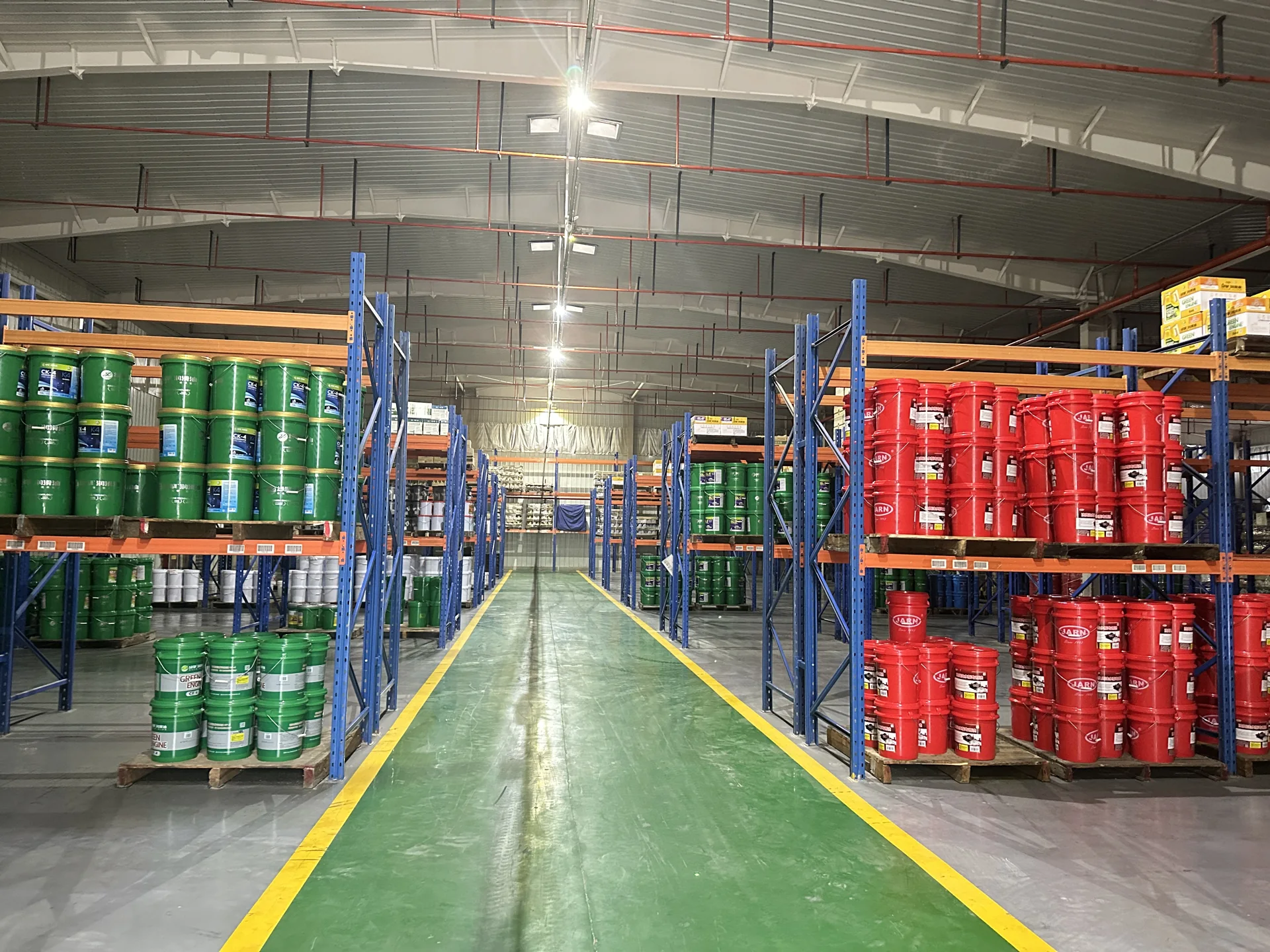
Packaged lubricants on warehouse racks
Packaged lubricants on warehouse racks. Keep labels and batch information with the goods.
STORAGE & HANDLING

Keep products identified and containers protected.

Separate products by type and grade, keep closures secure, and use clean, identified transfer equipment. Follow the storage instructions for the exact product and package. If a label is unclear or a container is damaged, keep it aside for review before use.

Pails and cartons in the storage area
Pails and cartons in the storage area.
Wrapped pails and goods arranged on pallets
Wrapped goods arranged on pallets.
01

Keep product identification with every container.

Separate products by type and grade. Retain the label and available batch information, including on a transfer container. A familiar drum color or container shape is not enough to identify the contents.

02

Keep water and dirt out.

Store containers in a suitable clean, dry area and keep closures secure. Check container condition and use transfer equipment appropriate to the product. Dust, water and residues from a previous fluid can contaminate an otherwise correct oil.

03

Use dedicated, identified transfer equipment.

Pumps, hoses and dispensing containers need the same attention as stored oil. Avoid mixing products through shared equipment without a suitable cleaning and handling procedure. Keep dispensing points protected when they are not in use.

04

Check the product instructions before long storage.

Storage temperature, shelf life and inspection requirements belong to the exact product and package. Ask for the current instructions instead of applying one shelf-life number to every oil, grease, coolant or additive.

05

Record concerns before using the product.

If a container is damaged, a label is missing or the contents appear unusual, keep the product separate while it is reviewed. Record the product, batch details where available, storage history and observed issue. Seek product-specific advice before use.
FROM THE GUIDE TO YOUR REQUIREMENT

A practical reference for your review.

Review itemWhat to recordHow to use it
ReceiveCheck the container, product label and identificationHold a damaged or unclear package for review.
SeparateKeep product families and grades clearly identifiedDo not rely only on container color.
ProtectUse appropriate covered storage and keep containers closedFollow the product’s own storage and safety instructions.
RotateKeep receipt and batch information with the productUse the supplier’s storage guidance; do not assume one shelf life.
TransferUse clean, identified transfer equipmentAvoid carrying residue from another product.
FillConfirm the machine, product and grade before fillingKeep hydraulic, cooling and SCR fluids in their correct systems.
InvestigateReview water, sediment or uncertain identity before useDo not decide solely from color or an improvised home test.
RELATED PRODUCTS & READING

Use the guide for your next decision.

01

Check the product before transfer

Use the complete lubricant requirement, not a container color.

Selection Guide
REQUEST A QUOTE

Have a product or equipment question?

Send the product name or equipment model, the requirement and the information you need us to review.

Request a Quote